


TariffsUnited States
US holds off on robotics and machinery tariffs and opens trade talks first
A new proclamation says these imports threaten US national security, but it sets no tariff yet and wants a progress report on talks within 180 days.
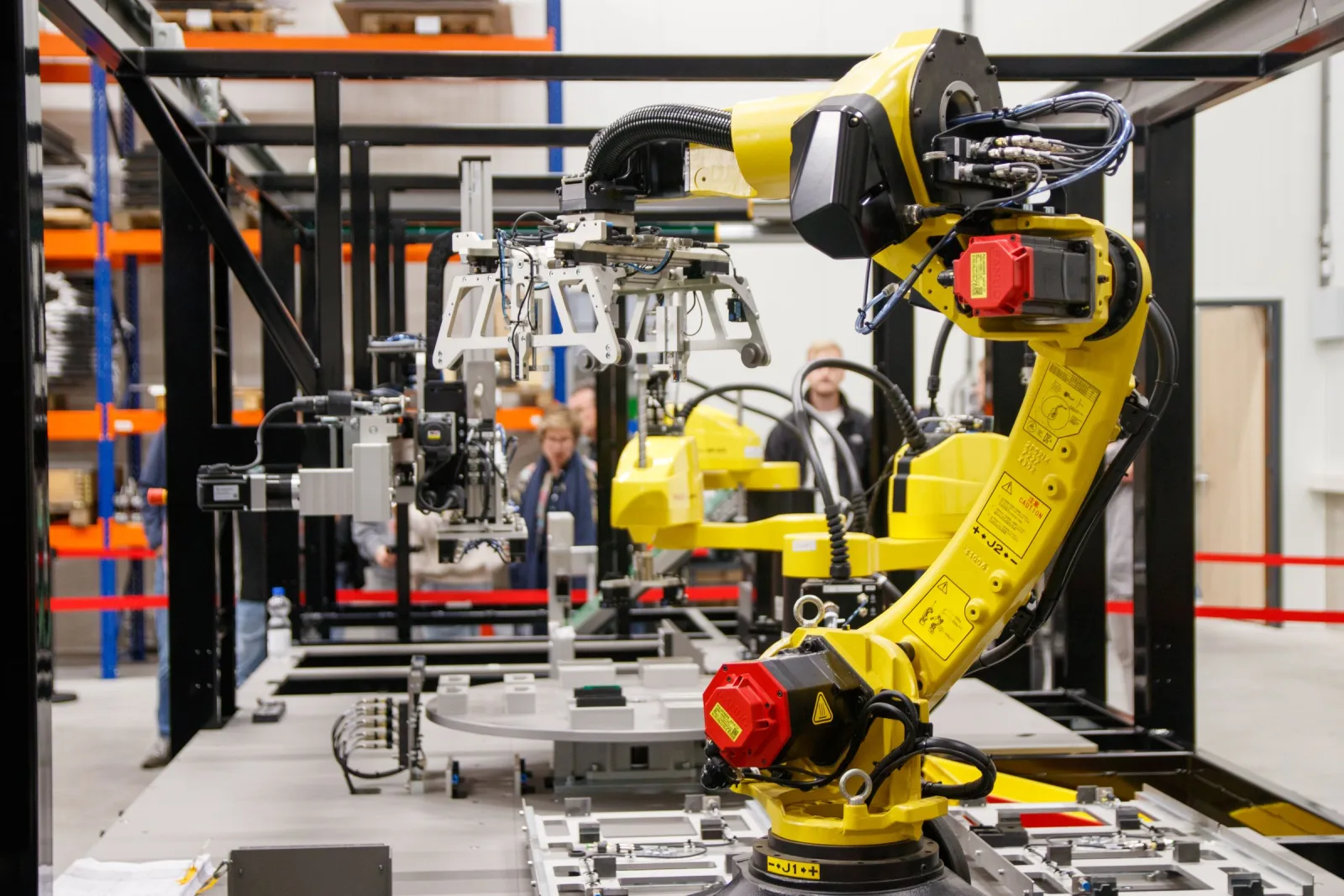
The US says imports of robots and industrial machinery threaten its national security. But a new proclamation sets no tariff on them yet. It orders trade talks first.
The President signed the proclamation on 28 October 2026. It uses Section 232 of the Trade Expansion Act of 1962. That law lets the President act on imports that threaten national security.
It covers robotics, industrial machinery, and their parts and components. It follows a Commerce Department investigation. The President agreed with its finding about the threat.
Instead of a duty, the President decided to "enter into negotiations with trading partners to adjust imports of robotics, industrial machinery, and their components." Commerce and the US Trade Representative (USTR), the US trade negotiator, will lead the talks. The proclamation names no countries and lists no HS codes.
Commerce found that the US relies on foreign imports for most types of robots and industrial machinery. It also said machines from some foreign sources can carry cybersecurity risks, because they process and store sensitive data.
US importers of these goods and the overseas makers that supply them should follow the talks. Commerce and USTR must update the President within 180 days, so by about 26 April 2027.
Depending on the talks, the President "may consider alternative remedies in the future." The proclamation lists tariffs, duties, quotas and fees, or a program to reward new US production. Commerce will also keep watching these imports.
What to check
- Does your product count as robotics, industrial machinery, or a part of one?
- Do you have a plan if tariffs, quotas or fees come later?
- Are you following Commerce and USTR news ahead of the 180-day update?
Related