


TariffsUnited StatesChina
Chinese magnesia bricks with trace alumina could be pulled into US anti-dumping and countervailing duties
Commerce has opened a country-wide inquiry into whether Chinese refractory bricks with under five percent alumina are dodging US duties on magnesia carbon bricks.
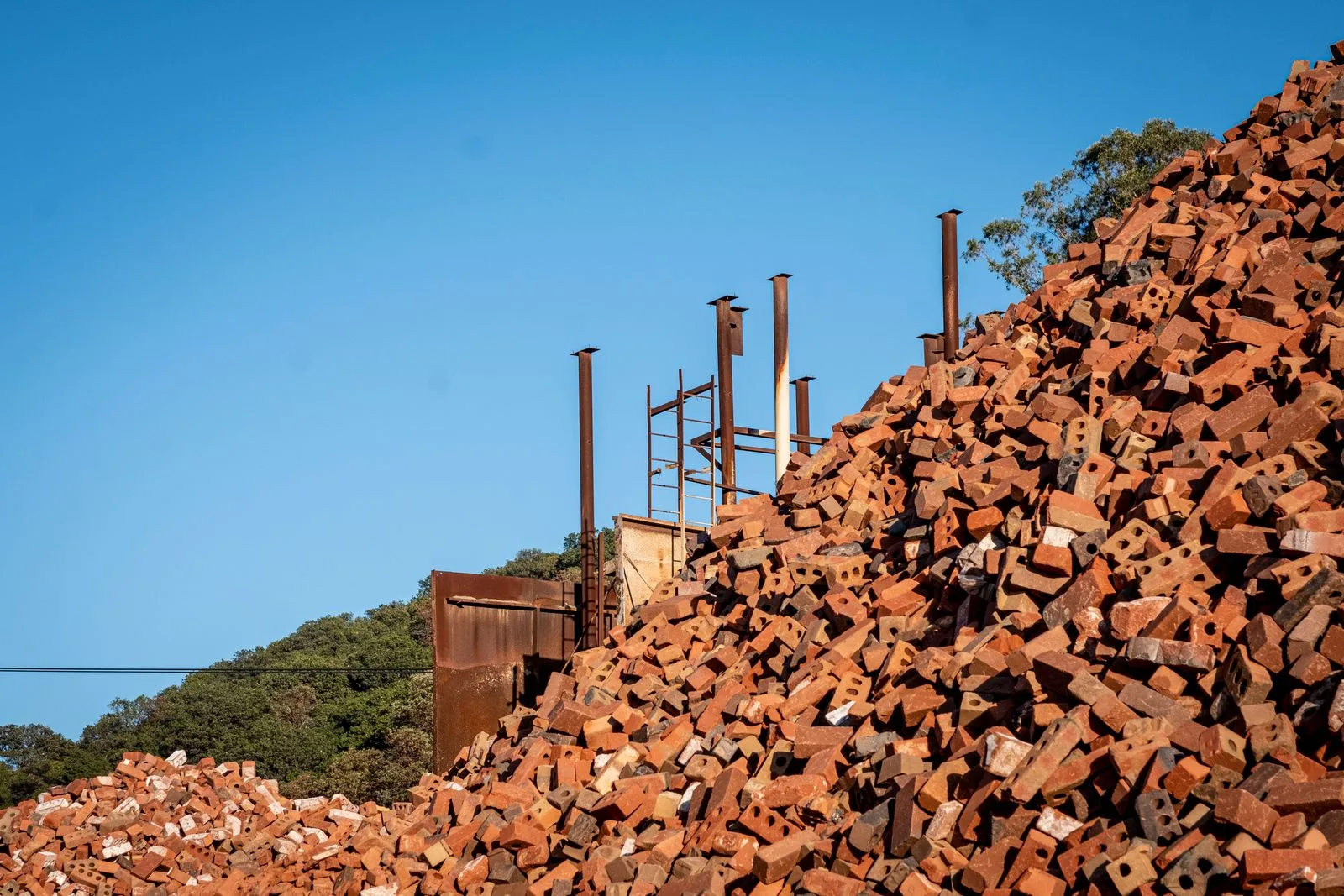
Chinese refractory bricks with a little alumina could end up paying the same US duties as magnesia carbon bricks. Commerce has opened a circumvention inquiry to decide.
The inquiry is applicable from 10 November 2026. It covers bricks from China with at least 70 percent magnesia and carbon from trace amounts to 30 percent by weight.
It targets bricks containing alumina above zero but below five percent by weight on import. Commerce calls these bricks with trace alumina.
A group of US brick makers asked for the inquiry. They allege the bricks are altered only in minor respects to avoid the 2010 anti-dumping duty and countervailing duty orders.
The inquiry is country-wide. Commerce intends to ask certain Chinese companies about their production and US shipments of these bricks.
For now, entries already suspended under the orders stay suspended. Commerce will apply the cash deposit rates that would apply if the products were covered.
If Commerce finds circumvention, deposits could also apply to unsuspended entries made on or after 10 November 2026. Commerce may also reach some earlier entries.
This matters for US importers of these Chinese bricks, and for Chinese producers that ship them.
Commerce intends to issue a preliminary decision within 150 days and a final within 300 days, unless the inquiry is extended or rescinded.
TWW covered the separate sunset review of these orders on 4 November.
What to check
- Do your Chinese bricks contain alumina below five percent by weight?
- Are your past entries already suspended under the orders?
- Could you fund deposits if Commerce finds circumvention?
Related