


CustomsCanada
Selling a cargo container in Canada? It must be reported and cleared as an import
Canada's border agency says containers brought in for sale need their own cargo report and duties, or penalties may apply.
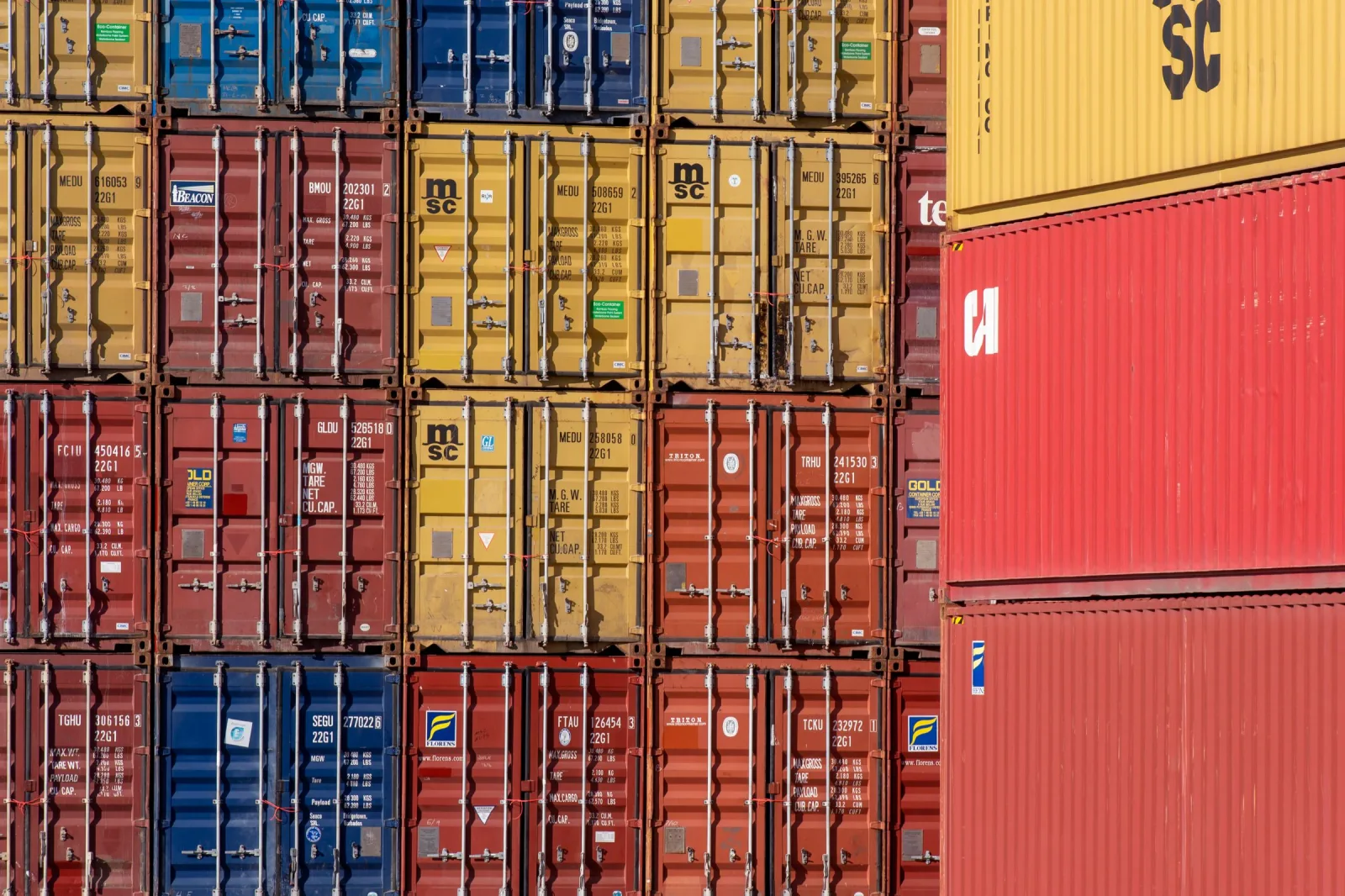
If you bring a cargo container into Canada to sell it, the box itself must be reported and cleared like any other import. Listing its number inside a shipment's filing is not enough, and penalties may apply.
The Canada Border Services Agency (CBSA) set this out in a customs notice dated 30 October 2026. The notice gives no start date. It explains rules that already apply under the ACI/eManifest program, Canada's advance cargo reporting system.
Containers used in international transport and only in Canada for a short time can come in without duties or taxes. They fall under tariff items 9801.10.10, 9801.10.20 and 9801.10.30.
Containers for sale are different. The notice says they "are not considered cargo containers in international commercial transportation." They must be released and accounted for with duties and taxes.
For a loaded container for sale, you need a cargo transmission for each shipment inside it. You also need a separate one for the container. In marine, an empty container for sale needs cargo data under Service Option 83, not the empty container option 695.
In every case, each container needs its own Cargo Control Document. For consolidated loads, the freight forwarder sends house bill data for each shipment and each container.
The notice names carriers and freight forwarders. They must know what they are moving into Canada. Failure to comply can bring enforcement action or penalties under the Administrative Monetary Penalty System (AMPS).
What to check
- Is any container you move being sold in Canada?
- Does each container have its own Cargo Control Document?
- Are you using the right service option for marine, highway or rail?
Related