














Article
Air Waybill Guide: MAWB vs HAWB and Shipper Checks
See how a master and house air waybill relate in a consolidation, who checks each record, and how to reconcile pieces and weight before the airline accepts the cargo.
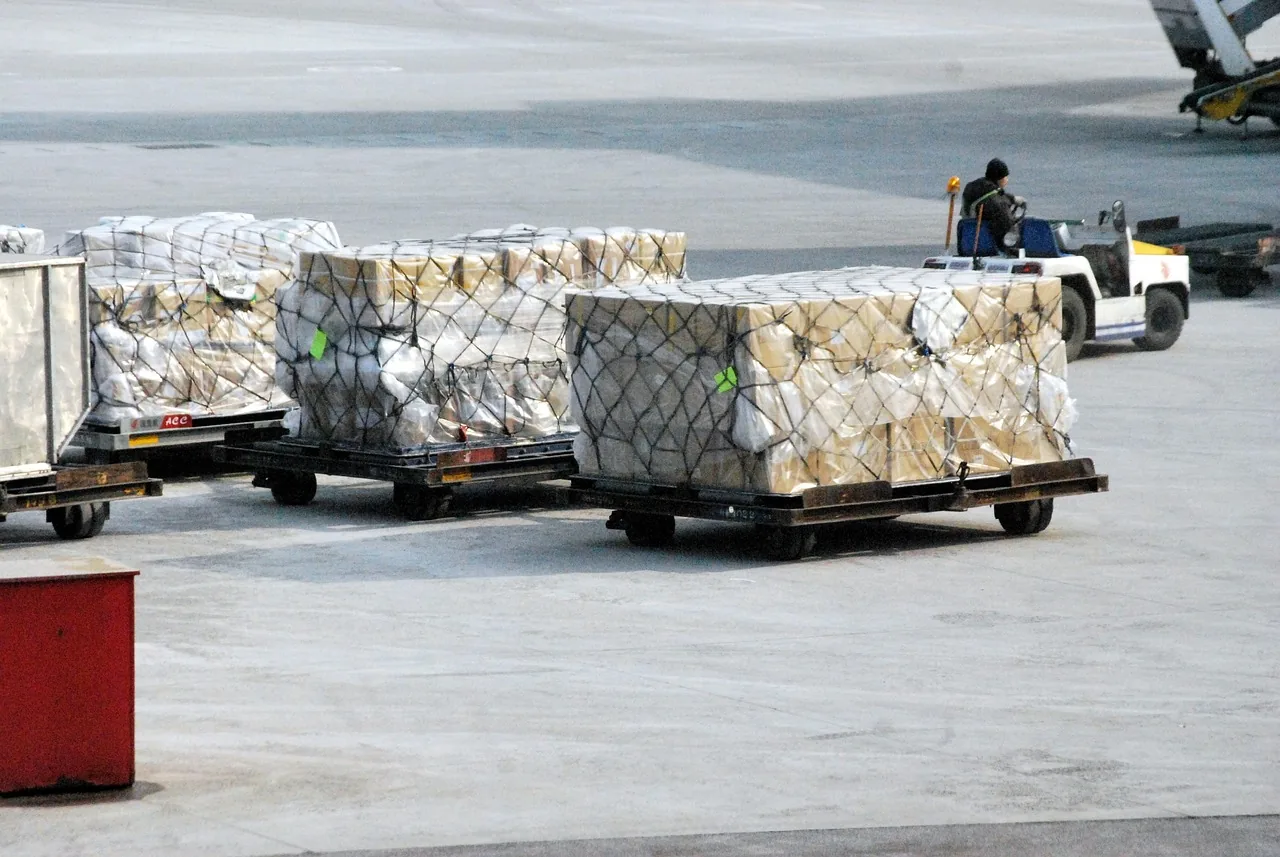
An air waybill records an air cargo shipment and the carriage terms between the shipper and airline. When a forwarder combines shipments, the master air waybill covers the airline movement, while house air waybills identify the individual consignments.
If you ship by air, the distinction tells you whom to contact when a carton count, consignee name, or tracking reference is wrong. A house reference and an airline reference can point to the same journey without being the same document.
This article shows who handles each record, how the pieces add up, and what to check before cargo is accepted. The worked example is a fictional November 2026 consolidation of three shipments, including cargo from India.
Key takeaways
- Identify the airline master and your house record before you query an error.
- The airline controls master-level data, while the forwarder supplies house-level shipment details.
- For example, the master piece count should equal the pieces across its house waybills.
- Air waybills are non-negotiable and do not transfer title like an order bill.
What is an air waybill?
An air waybill (AWB) records a shipment accepted for air carriage. Keep the final reference from your forwarder, along with the accepted piece count. A booking made before the goods arrive at the airport may still change after weighing or inspection.
The International Air Transport Association (IATA) describes the document as the contract of carriage between the shipper and airline in its electronic air waybill program. An electronic record can take the place of a paper air waybill under the applicable process.
Air waybills identify parties, origin and destination airports, cargo pieces, weights, and handling information. They help an airline and forwarder track the shipment. They are not invoices, packing lists, customs declarations, or certificates of origin. Each record has a different job: the invoice records the sale, the packing list records the cartons, and the carrier record covers the movement. Keep the trade documents guide beside the carrier draft when you review the complete export file.
How is an air waybill different from a sea bill?
An airline can deliver to the named recipient under its procedures without waiting for someone to endorse a transferable title document. Confirm the delivery instructions with the forwarder. The United States International Trade Administration (ITA) calls an air waybill non-negotiable in its common export documents guidance. By contrast, an order bill of lading for sea cargo can be negotiable. An air waybill does not transfer title through endorsement of an original. The carrier still needs to check the recipient and release the goods under its own procedures. This matters if a buyer expects a bank to hold a transferable sea document as part of payment.
The bill of lading types article explains the straight and order sea arrangements. Air cargo uses a different document and release process. If payment depends on documents, check the buyer's bank instructions before booking the shipment.
What is the difference between MAWB and HAWB?
A master air waybill (MAWB) covers the movement accepted by the airline. A house air waybill (HAWB) identifies an individual customer's consignment under a forwarder's consolidation. A direct booking may have no house document; a consolidation can have several house documents tied to one master. Ask the forwarder which references apply to your goods.
IATA's advance cargo information guidance maps data ownership: the airline owns master-level data and the freight forwarder owns house-level data. The forwarder builds the consolidation and sends master and house information to the carrier. Ownership of the data does not prevent an agent from filing information on another party's behalf.
| Question | Master air waybill | House air waybill |
|---|---|---|
| What does it identify? | The airline shipment or consolidation | One underlying shipper's consignment |
| Whose data? | Airline's master-level record | Forwarder's house-level record |
| Whom should the exporter contact? | Airline or forwarder for master movement details | Forwarder for customer shipment and house data |
| What must reconcile? | All accepted pieces and gross cargo weight | That customer's packages and gross weight |
A 2026 IATA air mail operations paper defines a house air waybill as an individual consignment within an air waybill and states that the air waybill piece count equals the sum of all house waybill pieces. Each house record may consist of one or more pieces. That provides a useful check when the forwarder gives you both reference numbers.
Worked example: One master, three house waybills
These names, codes, and figures are illustrative. A forwarder groups three exporters' goods into one booked airline shipment. Exporter A has 12 cartons weighing 180 kg gross. Exporter B has 8 cartons weighing 120 kg gross. Exporter C has 10 cartons weighing 150 kg gross. The forwarder creates one house record for each consignment and gives the airline the combined booking.

| Record | Goods owner | Pieces | Gross weight | Who checks it? |
|---|---|---|---|---|
| HAWB-A | Exporter A | 12 cartons | 180 kg | Exporter A and forwarder |
| HAWB-B | Exporter B | 8 cartons | 120 kg | Exporter B and forwarder |
| HAWB-C | Exporter C | 10 cartons | 150 kg | Exporter C and forwarder |
| MAWB total | Combined airline shipment | 30 cartons | 450 kg | Forwarder and airline |
The piece check is 12 + 8 + 10 = 30. The gross-weight check is 180 + 120 + 150 = 450 kg. These totals assume no extra cargo or packing weight changes between the house records and the airline acceptance. If a consolidation includes other pieces or the carrier records a different gross weight, ask the forwarder to explain the difference before approval.
Exporter A keeps the house reference for its own consignment and asks the forwarder for the related master reference used by the airline. Exporter A does not control the other exporters' house records. The forwarder checks that the house-to-master mapping is correct, while the airline controls the accepted master movement.
What should the shipper check?
Start with your own shipment. Compare the forwarder's house draft with the final commercial invoice and carton list. The export packing list format shows how to total pieces and packed gross weight. Then confirm which airline master record carries the consignment. Do not assume a booking confirmation is a final accepted air waybill.
- Names and contacts: Confirm shipper, consignee, and any notify or delivery contact.
- Route: Check origin, destination, and any planned transfer details with the forwarder.
- Pieces: Match carton marks and package count to the goods handed over.
- Goods: Use a description that identifies the cargo without overstating its contents.
- Gross weight: Compare the packed shipment with the forwarder's accepted weight.
- Dimensions: Give measured external carton sizes before the quote and booking are finalized.
- Handling: Record any product-specific instructions the airline agrees to carry.
- References: Keep the correct house and master numbers and identify which is which.
The AWB number can be checked against the issuing airline. IATA's air waybill number guidance describes a standard 11-digit number, including a check digit, in the form 000-00000000. A number with the right shape is not proof that your cargo was accepted or booked on a particular flight. Confirm the reference in the airline or forwarder's own shipment record.
How does chargeable weight affect the booking?
Air freight quotes may use chargeable weight rather than the gross weight printed beside your cartons. The carrier compares the shipment's measured weight and the space it occupies under the applicable rating rules. The actual calculation can depend on the airline and service. Do not infer a chargeable figure from the house and master weights in the example.
For the current shipment, send actual package dimensions and gross weights to the forwarder. If the carrier repacks or measures cargo differently, ask for a corrected quote and record the basis.
Which air waybill errors cause trouble?
The two easiest mistakes are using a house number to search an airline system that expects the master number and assuming the master describes only your cartons. Identify the layer first. Your house record should match your physical consignment; the master may contain several shipments.
- Wrong consignee: Compare the delivery party with the buyer's written instructions.
- Pieces do not add up: Reconcile every house consignment to the master acceptance.
- Weight copied from a quote: Use the final measured gross weight and explain any later change.
- Unclear reference: Label house and master numbers so the right party can trace the cargo.
- Missing handling data: Tell the forwarder about regulated or special cargo before acceptance.
Tracking information depends on the carrier and forwarder. An airline may show events against the master number, while the forwarder shows status against your house number. A status update is useful, but it does not correct a wrong consignee or missing carton. Ask the party that owns the affected record to amend the shipment details.
FAQs
What is the difference between a MAWB and a HAWB?
A master air waybill covers the airline shipment. A house air waybill identifies an individual consignment within the forwarder's consolidation.
Is an air waybill a document of title?
No. It records air carriage but is not a negotiable title document. A recipient does not gain title by endorsing an original air waybill.
Who prepares the air waybill?
The shipper or its agent supplies the shipment details. The airline controls the master-level movement record, and the forwarder handles its house-level consignment data.
Can I track cargo with the AWB number?
Usually, yes. Check whether the airline asks for the master number or the forwarder asks for the house number. Each system may show different shipment events.
Next step
Ask your forwarder whether your shipment moves directly or under a consolidation. Get the house and master references that apply, then compare your own pieces, gross weight, consignee, and route with the final packing list and booking. Ask the forwarder to resolve differences before cargo is accepted by the airline.